Removals in Brent

Our removals in Brent service is built around practical household and business moving work, with a straightforward focus on carrying belongings safely, organizing access and helping customers complete a move with as little disruption as possible. We handle common removal tasks such as loading, transport and unloading, and we can also support moves that need careful handling for larger furniture, boxed contents or mixed rooms of items. The service is intended for people who want a clear, orderly move without unnecessary complexity.
We provide removal services for homes, flats and offices, and the work can be adapted to the scale of the property and the type of contents involved. Some moves are simple single-load journeys, while others need more planning because of stairs, parking, building access or bulky items. A sensible approach begins with understanding what needs moving, where it is going and whether any extra handling is required. That gives a more accurate picture of the job before anything is arranged.
To request a quotation, it helps to have a basic inventory ready and to note anything that may affect lifting or access. You do not need a long written brief, but a clear description of rooms, furniture, boxes and any awkward items can make the next step easier. If you already know your preferred moving date, include that too. You can also use the pages on pricing and quotes and contact us when you are ready to talk through the details.
House and flat removals planned around your property
House and flat removals often involve more than simply moving boxes from one place to another. The route through the property matters, especially where stairwells are narrow, lifts are shared or furniture has to be turned through tight spaces. We approach the work by considering access, packing order and the size of the items being moved, so the day can be handled in a practical sequence rather than as a rushed last-minute load. That makes it easier to keep rooms clear and maintain control over fragile or awkward belongings.
For domestic moves, our house removals page sets out the core service for family homes, while flat removals is useful where apartments, maisonettes and shared entrances create different access needs. Customers with fewer items may prefer man and van or the slightly broader man with a van style of move, depending on what is being transported. These options are suited to smaller loads, but they still benefit from the same careful loading and transport process as larger jobs.
Before you ask for a price, it is worth deciding which rooms need attention and whether you want just transport or help with lifting as well. A simple list of the main items can prevent omissions and allow the right vehicle size to be considered. If there are special items such as wardrobes, beds or fragile boxes, mention them in the first enquiry so the move can be planned properly. Clear details usually make the quotation stage much smoother.
Commercial removals for offices and workplaces

Business moves need a different rhythm from domestic removals, especially where desks, filing, computers and office furniture have to be taken out with limited downtime. Our commercial removals service is intended for workplaces that want a controlled and organised move rather than a scattered series of trips. The work can include dismantling where appropriate, loading, transport and placement at the new site, with an emphasis on reducing confusion when multiple items or departments are involved.
For office-based work, the office removals page covers the main service, while office relocation services is useful when the move is part of a broader change of premises or layout. Larger or more involved jobs may also sit alongside the use of a moving truck when the load size and access requirements call for it. For businesses that need a wider overview of the service set, the commercial moves page is a helpful starting point.
When preparing a quotation for a workplace move, it is useful to note the quantity of furniture, any IT equipment that needs careful treatment and whether the move has to happen outside normal working hours. If there are multiple floors, shared entrances or specific building restrictions, include that information as well. Good planning reduces avoidable delays, and it also helps the move be matched to the right equipment and timing.
Packing support, boxes and careful preparation
Packing is one of the most important parts of a removals job because the quality of packing affects how easily items can be loaded, stacked and delivered. We support customers who want help with preparing belongings before the move, whether that means supplying packing materials, organising boxes by room or making sure breakables are protected before transport begins. Well-packed contents also make unpacking simpler at the destination, because rooms can be sorted more quickly once the main move is complete.
The packing and boxes page is relevant if you need materials and packing preparation, while packing and unpacking services suits customers who want assistance at both ends of the move. For many people, these services are especially useful when time is short or when there are a lot of small household items that would otherwise be awkward to organise. Packing support can be as modest or as comprehensive as the move requires, provided the scope is explained clearly in advance.
A practical approach is to separate essentials, fragile belongings and large furniture before the move date. This keeps the process orderly and makes it easier to decide what needs extra wrapping or stronger boxes. If you are comparing service levels, ask yourself whether you want only materials, help with boxing up, or a fuller service that includes unpacking at the other end. That question often shapes the quotation more than the distance of the move itself.
Furniture, specialist items and heavier pieces

Some removals are straightforward until the furniture is considered. Large wardrobes, dining tables, sofas and other bulky pieces often need more than basic carrying because they can be heavy, awkward or difficult to turn in confined spaces. We handle furniture removals as part of the wider moving service, with attention to safe lifting and secure placement in the vehicle. The main aim is to move the item without causing unnecessary strain or damage to the property it passes through.
If you need individual items collected rather than a full household move, the furniture removals page describes that kind of work, while furniture pick-up is relevant where the focus is on taking away specific pieces. A particularly careful approach is needed for items such as pianos, and the piano removals page is there for jobs where handling requirements are more specific. These services are not interchangeable, because the shape, weight and handling risks of each item can differ significantly.
When asking for a quote, list the items one by one if they are especially large or valuable. Mention stairs, tight corners, narrow hallways and whether the furniture needs dismantling before it can be moved. If there is more than one property entrance or a restricted parking arrangement, include that too. It is better to give a careful description first than to discover complications on the day that could have been planned for earlier.
Vehicles, van hire and practical transport choices
Choosing the right transport for a removal is not only about distance; it is also about load size, item shape and how many trips would otherwise be needed. Some customers want a more modest moving vehicle for a smaller load, while others need something that can cope with bulkier items and multiple rooms at once. Our transport-related pages help explain those options so customers can decide what suits their move without guessing at capacity or handling requirements.
The removal van page focuses on a standard moving vehicle option, while removal truck hire is relevant where a larger load or a different vehicle type is needed. For customers looking for a broad overview of the service, removals and removal services both support the main subject matter of the site. These pages are useful when the question is not just what is being moved, but how best to move it efficiently.
If you are unsure which size of transport is appropriate, begin with a list of the largest items and the approximate amount of boxed content. That normally gives a clearer indication than simply estimating by room count. The aim is a right-sized move, not an oversized or undersized arrangement that creates wasted space or multiple journeys. A careful description now can prevent unnecessary changes later.
Storage, timing and moves that need flexibility
Not every removals job goes directly from one address to the next without interruption. Sometimes items need to be held for a period, or the new property is not ready on the same day. In those cases, storage can be part of the overall moving plan, helping customers bridge a gap between properties or manage belongings during a staged move. The service is best used when the storage requirement is known early enough to build it into the move itself rather than treating it as an afterthought.
The storage page covers that option, while same-day removals is relevant for situations where the move needs to be completed within a single day and timing is especially important. If you are moving into student accommodation or shifting a smaller set of belongings around term dates, student removals may also be worth considering. Each of these pages reflects a different moving pattern, so the best choice depends on the structure of the move rather than a generic label.
When timing matters, tell us whether access is fixed, whether there is a handover window and whether any part of the move has to fit around building rules. That information helps the job be considered in a realistic sequence. If storage might be needed, say so early and note whether you expect a short gap or a longer delay. It is always better to plan flexibility before moving day arrives.
About Brent
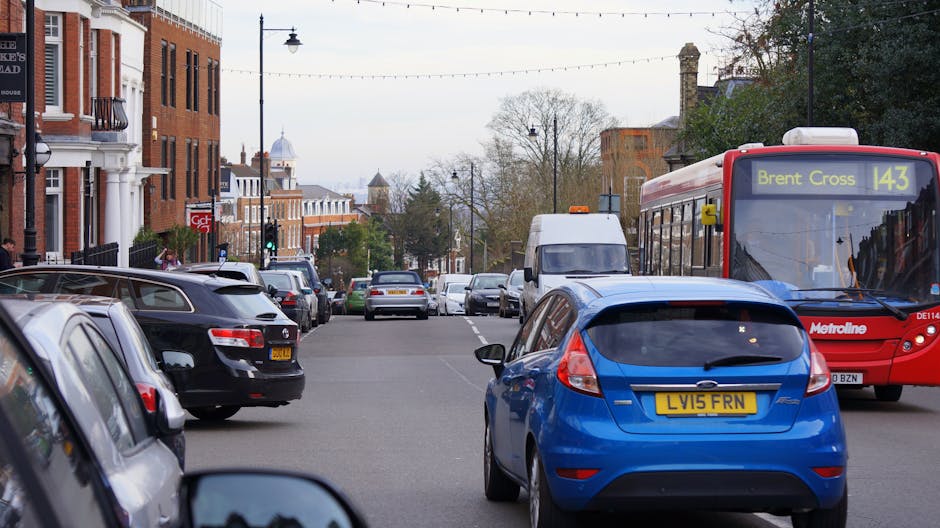
Brent is a borough in northwest London that includes a wide mix of residential districts, high streets, parks and transport corridors. It stretches from neighbourhoods around Kilburn and Willesden in the south and centre to areas such as Wembley and Kingsbury further north, creating a varied urban landscape rather than a single uniform town centre. The area became a London borough in 1965, bringing together several former local authorities under one administration. That history is still visible in the way Brent combines older suburban streets with major post-war redevelopment and newer civic landmarks. Wembley Stadium is one of the most recognisable structures in the borough, but Brent also has quieter places of local importance such as Gladstone Park, Fryent Country Park and the canal-side stretches near the Grand Union Canal. The borough is known for its cultural diversity, and that diversity is reflected in local shops, places of worship, community venues and food traditions found across its neighbourhoods. Neasden Temple, formally the BAPS Shri Swaminarayan Mandir, is another well-known landmark and an example of the borough’s architectural range. Brent also shares part of its boundary with the London Borough of Camden, Harrow, Ealing, Hammersmith and Fulham, Hillingdon, Westminster and Barnet, placing it within a wider network of west and northwest London districts. Its transport links include Underground, Overground and National Rail connections, while the A406 North Circular Road and other main routes give the borough a strong east-west and north-south structure. Taken together, these features make Brent a place of dense neighbourhood character, major event architecture and long-established residential streets.
Pricing, access and the details that shape a quote

Removal pricing is usually shaped by practical factors rather than a single simple measure. The amount of furniture, the number of floors involved, the ease of parking and the need for dismantling can all affect the work required. If a move includes bulky items, delicate belongings or several separate collection points, that may also influence the time and equipment needed. The most useful quotations tend to come from clear job details, because they reduce uncertainty and allow the service to be matched more precisely to the move.
The pricing and quotes page is the best place to begin if you want to understand how a quotation is approached, and the insurance and safety page is useful where care, handling and responsibility are important parts of the decision. If you want to know more about business standards and how enquiries are handled, about us and complaints procedure are available as support pages. These are not moving services themselves, but they help provide a fuller picture of the business around the service.
When you are ready to ask for a quotation, think in practical terms: what is being moved, from where, to where and when. If the move is in stages, mention that too. A concise summary is enough to begin, and there is no need to over-explain the whole history of the move. Use the details you already know, then build from there if more information is needed.
Insurance, sustainability and service expectations

Customers often want to know how a removals service approaches safety, responsibility and the handling of belongings in transit. Those questions are sensible, because a move is not only about transport but also about care during lifting, loading and delivery. The site includes supporting information on insurance, safety, recycling and related policies so that customers can understand the wider service context. This can be helpful when comparing moving arrangements or deciding how best to prepare for the job.
The insurance and safety page explains the relevant considerations around care and handling, while recycling and sustainability covers the approach to reuse and disposal-related considerations where applicable. Policy pages such as terms and conditions, privacy policy and payment and security are there for customers who want the surrounding details before proceeding. For many people, these pages are part of a sensible due-diligence process rather than a replacement for the moving service itself.
Ready to plan your move? If you would like to discuss the right removals option in Brent, gather the main item list, note any access points and then send an enquiry so the work can be quoted properly. For a final step, visit contact us and share the details of your move.